The 3rd International Conference on Intelligent Computing and
Efficient Information Retrieval (ICEIR 2026)

Nam Can Tho University, Dec 12th 2026

https://iceir.nctu.edu.vn
-
:
:

The International Conference on Intelligent Computing and Efficient Information Retrieval (ICEIR 2026) is a prestigious global event that brings together researchers, scholars, and industry experts to share the latest advancements in intelligent computing, information retrieval, and their real-world applications. The conference provides a platform for presenting innovative theories, methodologies, systems, and practical applications that address emerging challenges in data-driven and intelligent technologies.

CALL FOR PAPER:

Download

PROGRAM SCHEDULE:

Download

PREVIOUS ICEIR: ICEIR 2025, ICEIR 2023

IMPORTANT DATES:

Submission deadline: Sept 30th 2026 Oct 15th 2026

Notification of acceptance: Nov 2nd 2026 Nov 15th 2026

Camera-ready: Nov 12th 2026 Nov 20th 2026

Registration: Nov 12th 2026

Conference date: Dec 12th 2026

INTERESTED TOPICS

Topics relate to (but not limited):

  • Artificial Intelligence and Core Computing
  • Information Retrieval, Search, and Knowledge Management
  • Data Science, Analytics, and Decision Support
  • Recommender Systems and Personalized Services
  • Intelligent Applications

SUBMISSION GUIDELINES

Authors are invited to submit original papers that have not been previously published and are not currently under consideration elsewhere. Manuscripts must be written in English and be 12-15 pages long.

All papers must be submitted online in PDF format via Microsoft CMT, using Springer LNNS templates. Read more details on the website.

We encourage authors to use the LaTeX template rather than the Word template. If two papers are of similar quality, preference will be given to the paper prepared in LaTeX.

PUBLICATIONS

All accepted papers will be published based on the review results: Top 39% in Lecture Notes in Networks and Systems (LNNS), Springer, indexed by Scopus (Q3), and the next 20% in the proceedings with an ISBN. Selected papers may also be considered for special issues of the Journal of Science and Economic Development (JSED), ISSN: 2588-1272, after at least 40% revision and extension.

CO-ORGANIZING MEMBERS

ICEIR 2026 will be organized by Nam Can Tho University (Vietnam) with the publication co-organizing by Nkumba University, Uganda; with the scientific co-organizing by Mahatma Gandhi University (India); Symbiosis Institute of Technology (India); Visvesvaraya National Institute of Technology (India); VIT Bhopal University (India); Can Tho University (Vietnam), Tien Giang University (Vietnam), Bac Lieu University (Vietnam), An Giang University (Vietnam), Can Tho University of Technology (Vietnam), Vinh Long University of Technology and Education (Vietnam), College of Kien Giang (Vietnam), Nkumba University (Uganda), Malaysia University of Science and Technology (Malaysia), Tra Vinh University (Vietnam), Dong Nai Technology University (Vietnam), Academy of Cryptographic Techniques (Vietnam), Nha Trang University (Vietnam) For more information: iceir@nctu.edu.vn

SUBMISSION INSTRUCTIONS

SUBMISSION SYSTEM

Paper’s submission system used at ICEIR 2026 abides by Microsoft CMT. All submission processes will be conducted using the Microsoft CMT system. Read Microsoft CMT Guide [in English] [in Vietnamese]

The paper template for ICEIR 2026 adheres to Springer's standard format. If selected for JSDE or NIRJ, authors will need to resubmit using the respective JSDE template or NIRJ template.

REGISTRATION FEE

Registration fees are applied based on publication type:

Paper published in Springer LNNS: USD 250 per paper. Each paper must be registered by at least one author.

Paper published in an ISBN Book: Free of charge.

PUBLICATIONS

All accepted papers will be published based on the review results: Top 39% in Lecture Notes in Networks and Systems (LNNS), Springer, indexed by Scopus (Q3), and the next 20% in the proceedings with an ISBN. Selected papers may also be considered for special issues of the Journal of Science and Economic Development (JSED), ISSN: 2588-1272, after at least 40% revision and extension.

PRESENTATIONS

All accepted papers will be invited for conference presentation (both online and offline). At least one author must register to present the accepted research paper at the conference. The paper will be canceled if no author presents it at the conference (online or offline).

REVIEWING

The papers are peer-review. Each paper will be reviewed by at least three PC members. The Microsoft CMT service was used for managing the peer-reviewing process for this conference. This service was provided for free by Microsoft and they bore all expenses, including costs for Azure cloud services as well as for software development and support. The conference maintains an acceptance rate of 30% for research papers published in the proceedings.

For more information: iceir@nctu.edu.vn

PROGRAM

KEYNOTE SPEAKERS

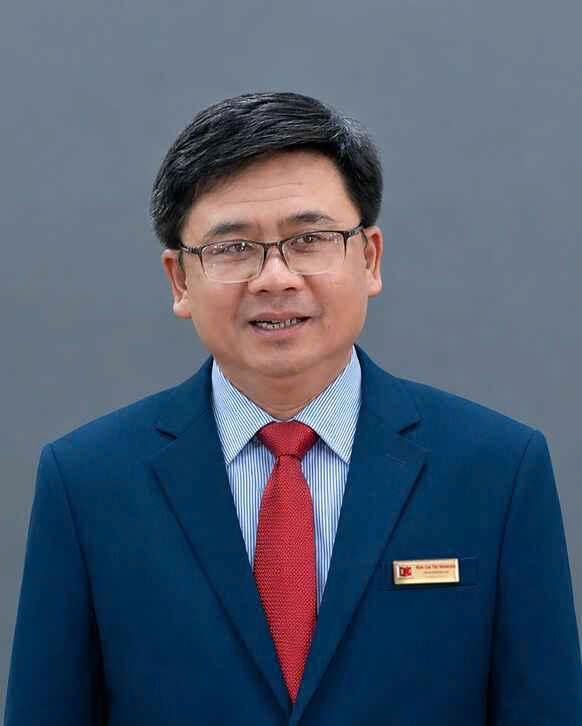
Prof. Dr. Thanh-Thuy Nguyen (VNU University of Engineering and Technology, Vietnam)

Prof. Dr. Thanh-Thuy Nguyen
Talk title:
Artificial Intelligence – A Strategic Technology for Breakthroughs in Science and Technology, Innovation, and National Digital Transformation
Talk abstract:
Artificial Intelligence (AI) has emerged as a strategic technology and a major driver of global technological competition. Its rapid growth is fueled by widespread applications across industries, economic sectors, and everyday life, reflecting the interdisciplinary integration of technologies in the Fourth Industrial Revolution. Three key factors underpin AI's development: the increasing availability of big data, advances in high-performance computing, particularly GPU-based platforms, and breakthroughs in deep learning. These advances have significantly enhanced AI capabilities in speech and image recognition, natural language processing, reading comprehension, and question answering. Furthermore, deep learning, reinforcement learning, and agentic AI have accelerated the development of Large Language Models (LLMs), AI chatbots, and generative applications. Generative AI, explainable AI, responsible AI, and safe AI are becoming essential research priorities to ensure both technological progress and responsible deployment.

In Vietnam, AI has been identified as a strategic technology supporting national development. On January 26, 2021, the Prime Minister issued Decision No. 127/QĐ-TTg, promulgating the National Strategy on Research, Development, and Application of AI through 2030. Subsequently, Resolution No. 57-NQ/TW emphasized breakthroughs in science and technology, innovation, and national digital transformation, highlighting AI as a key strategic priority. Related national initiatives, including the National AI Transformation Plan, strategic technology and product programs, and policies promoting AI in education and training, provide an essential foundation for strengthening research, technological capabilities, and practical applications. Additionally, the National Key Science and Technology Program KC-4.0 (2019–2030), implemented by the Ministry of Science and Technology, promotes research and applications of big data, AI, the Internet of Things (IoT), and high-performance computing. These technologies contribute to developing digital government, digital society, and a sustainable digital economy.
Short bio:
Prof. Dr. Nguyen Thanh Thuy is a member of the State Council for Professorship and served as Chair of the Professorial Council for Information Technology under the Ministry of Education and Training of Vietnam for the 2019–2024 and 2024–2029 terms. He is the Standing Deputy Director of the National Key Science and Technology Program on Research, Development, and Application of Industry 4.0 Technologies (KC-4.0, 2019–2030), under the Ministry of Science and Technology. He also served as President of the Vietnam Association for Information Processing (VAIP) from 2018 to 2023 and President of FISU Vietnam during the same period. Prof. Thuy served as Deputy Head of the Drafting Committee and Head of the Expert Group responsible for developing Vietnam's National Strategy on Research, Development, and Application of Artificial Intelligence, which was officially promulgated by the Prime Minister under Decision No. 127/QĐ-TTg on January 26, 2021. He is also a member of the Advisory Council of the Global Vietnamese AI Experts Network. Previously, Prof. Nguyen Thanh Thuy served as Vice President of the University of Engineering and Technology, Vietnam National University, Hanoi (VNU-UET). Prof. Nguyen Thanh Thuy received his Ph.D. degree in 1987. He has nearly 40 years of teaching and research experience in Artificial Intelligence. From 1987 to 2011, he spent 25 years at the Faculty of Information Technology, Hanoi University of Science and Technology. Since 2011, he has continued his academic career at the Faculty of Information Technology, University of Engineering and Technology, Vietnam National University, Hanoi. His research interests in Artificial Intelligence include knowledge-based systems, soft computing, data mining, machine learning, deep learning, hybrid intelligent systems, and high-performance computing.

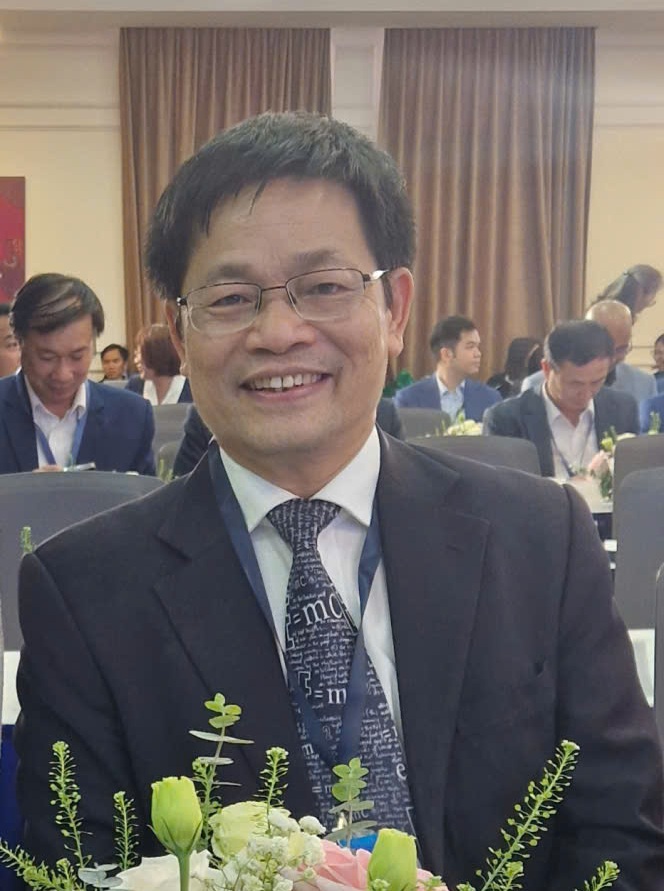
Prof. Dr. Chi-Ngon Nguyen (Nam Can Tho University, Vietnam)

Prof. Chi-Ngon Nguyen
Talk title:
Digital Twin - A Case Study of DNC International Dormitory at Nam Can Tho University
Talk abstract:
This paper proposes a phased Scan-to-BIM (S2B) framework for establishing a Digital Twin (DT) of the DNC International Dormitory at Nam Can Tho University, utilizing currently active aerial photogrammetric datasets and planning for multi-sensor integration. To reconstruct the building's macro-geometry, an Unmanned Aerial Vehicle (UAV) photogrammetry pipeline is first deployed, generating a 3D point cloud of the roof structure and upper building envelope. This aerial point cloud serves as the baseline for the S2B process. Recognizing the inherent limitations of aerial photogrammetry, specifically perspective occlusions and lower geometric accuracy at ground-level facades and under-canopy walkways, we present a systematic technical pathway to integrate high-density Terrestrial Laser Scanning (TLS) datasets in an upcoming phase. This future integration will resolve local spatial blind spots, upgrading the DT to millimeter-level accuracy. The resulting digital duplicate is designed to support structural health assessment and smart facility management under deltaic climate stressors. Ultimately, this study demonstrates a highly practical, progressive spatial modeling methodology, showcasing how academic institutions can cost-effectively build resilient, data-driven DTs of their physical infrastructure.
Short bio:
Chi-Ngon Nguyen received his B.S. and M.S. degrees in Electronic Engineering from Can Tho University and Ho Chi Minh City University of Technology (VNU-HCM) in 1996 and 2001, respectively. He earned his Ph.D. from the University of Rostock, Germany, in 2007. Currently, he is a Professor of Automation and Vice Rector of Nam Can Tho University. Prof. Dr. Nguyen has published over 200 national and international articles, 12 books and book chapters, and holds 4 national patents. He is a member of the Interdisciplinary Scientific Council for Mechanical Engineering, Automation, and Robotics (2024-2026) under the National Foundation for Science and Technology Development (NAFOSTED). He also serves as an editor for several prestigious national and international journals. His research interests include AI applications, intelligent control, medical control, pattern recognition, classification, computer vision, and agricultural automation.

Prof. Tomas Horvath (Edinburgh Napier University, Scotland, UK)

Prof. Tomas Horvath
Talk title:
Selected Applications and Challenges in Beehive Data Analytics
Talk abstract:
Precision Beekeeping (PB) is an emerging form of beekeeping, mostly the Apis Mellifera species of bees, in which monitoring and management of bee colonies is supported by sensor technology and data-driven applications which are tracking and analyzing environmental conditions, bee activities and colony health within the hive. Beekeeping, as agriculture in general, is, however, a domain with specific challenges which data scientists rarely face in other domains. In this talk, such challenges and the problems they induce are briefly summarized and two research studies on beehive data analysis are presented. The talk highlights the importance of domain knowledge and data pre-processing which are often neglected in data analytics pipelines, especially when deep learning approaches are utilized. The talk is expected to serve as an aid for planning and executing data science projects in the agricultural domain.
Short bio:
Prof. Tomas Horvath is currently on a career leave as a postdoc at the Department of Computer Science, University of Sao Paulo in Sao Carlos, Brazil. He received his MSc and PhD degrees in 2002 and 2008, respectively, in the area of relational learning. Since 2004, he has been a member of the faculty of the Institute of Computer Science of the Faculty of Science at this university. He was on a post-doc internship at the Information Systems and Machine Learning Lab of the University of Hildesheim, Germany, from 2009 to 2012, where he worked in the area of recommender systems with applications in education. From 2015 to 2016, he received a post-doc grant at the Department of Computer Science, University of Sao Paulo in Sao Carlos, Brazil, where he started working on automated machine learning with a focus on hyper-parameter tuning. From 2016 until 2024, he worked as an associate professor at the Faculty of Informatics at Eotvos Lorand University in Budapest, Hungary, where he built the Department of Data Science and Engineering, which he headed for more than 6 years, and where he started to work on applied machine learning for the agriculture domain. From 2024, he is a professor of artificial intelligence at Edinburgh Napier University, Scotland, UK, where he works on electronic nose data analytics for fermentation monitoring and shark telemetry data analysis.

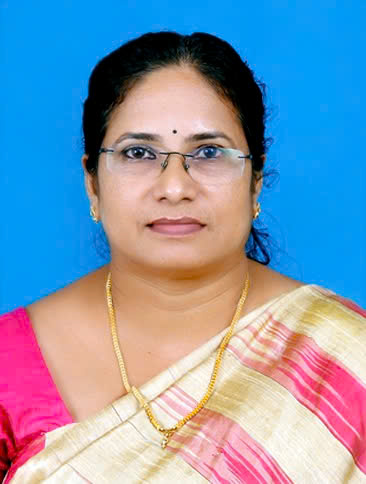
Professor Dais George (Mahatma Gandhi University, India)

Professor Dais George
Talk title:
Can We Trust Intelligent Retrieval? A Statistical Perspective on RAG and Large Language Models
Talk abstract:
Retrieval-augmented generation and large language models are transforming how information is searched, synthesized, and delivered. Yet their impressive fluency often conceals a basic question: how reliable are their answers, and how can this reliability be established? A statistical perspective on building trustworthy intelligent retrieval systems is offered. The risk of hallucination can be measured and controlled, the growing practice of using LLMs to evaluate other models can be placed on a statistically sound footing and AI-generated content can be detected with quantifiable confidence. The retrieval step itself is examined as a problem of estimation and uncertainty, which shapes the quality of what these systems generate. Ideas from statistical inference and uncertainty quantification are drawn upon to bridge the statistics and computing communities, showing how principled evaluation and reporting can turn promising AI systems into dependable ones. Practical takeaways and open challenges for researchers and practitioners in intelligent computing and information retrieval are also highlighted.
Short bio:
Professor Dais George began her illustrious career in education as a School Teacher in 1991. After a few years, she transitioned to higher education as a Lecturer at a B.Ed. Training College, before joining Nirmalagiri College, Koothuparampa in 1996 as a Lecturer in Statistics. Prof. Dais George has an extensive teaching career spanning over three decades. She has contributed significantly to the academic community through her roles at MES College, Marampally, Baselius College, Kottayam and retired from Catholicate College, Pathanamthitta, as Professor of Statistics. Under her mentorship, three Ph.D candidates have successfully earned their degrees, with five others currently in progress. She has over 50 published research papers, two authored books, and several book chapters. Her works also include major and minor research projects funded by the University Grants Commission (UGC).
To be updated...

ACCEPTED PAPER

To be updated...

SCIENTIFIC COMMITTEE

HONORARY CO-CHAIRS

Prof. NGUYEN Thanh Thuy
Chairman (The National Council of Professors in Information Technology, Vietnam)

Prof. Sajimon ABRAHAM
Honorary Director at UCIC-O (Mahatma Gandhi University, India)

Prof. Ketan KOTECHA
Honorary Prof., Aston Uni., UK; Director of Institute (Symbiosis Institute of Technology, India)

Dr. Lawer. NGUYEN Tien Dung
President of University (Nam Can Tho University, Vietnam)

GENERAL CO-CHAIRS

Dr. NGUYEN Van Quang
Rector of University (Nam Can Tho University, Vietnam)

Assoc. Prof. DAO Duy Huan
Vice-Rector of University (Nam Can Tho University, Vietnam)

ORGANIZING CO-CHAIRS

Prof. NGUYEN Chi Ngon
Vice-Rector of University (Nam Can Tho University, Vietnam)

Prof. Dais GEORGE
Head of Dept. (Department of Statistics and Data Sciences, Rajagiri College of Social Sciences, MGU, India)

Prof. Pon HARSHAVARDHANAN
Dean (School of Computing Science & Engineering, VIT Bhopal University, India)

Assoc. Prof. DO Van Xe
Diretor of Dept. (Dept. of Scientific Research, Nam Can Tho University, Vietnam)

MSc. NGUYEN Van Linh
Deputy Vice-Rector (College of Digital Technology and Artificial Intelligence, Nam Can Tho University, Vietnam)

Dr. NGO Ho Anh Khoi
Vice-Rector (College of Digital Technology and Artificial Intelligence, Nam Can Tho University, Vietnam)

MSc. TRAN Van Thien
Vice-Dean of Fac. (College of Digital Technology and Artificial Intelligence, Nam Can Tho University, Vietnam)

PROGRAM CO-CHAIRS

Prof. NGUYEN Chi Ngon
Vice-Rector of University (Nam Can Tho University, Vietnam)

Prof. Tomas HORVATH
(Edinburgh Napier University, Scotland, UK)

Assoc. Prof. NGUYEN Thai Nghe
Vice-Rector (College of Information and Communication Technology, CTU, Vietnam)

PUBLICATION CO-CHAIRS

Assoc. Prof. LE Thanh Phong
Deputy Editor-in-Chief of J. (Journal of Science And Economic Development, Nam Can Tho University, Vietnam)

Dr. TRAN Thanh Dien
Director of Can Tho University Publishing House (Can Tho University, Vietnam)

Dr. NGUYEN My Linh
Editor-in-Chief of J. (Journal of Science And Economic Development, Nam Can Tho University, Vietnam)

MSc. NGUYEN Van Linh
Deputy Vice-Rector (College of Digital Technology and Artificial Intelligence, Nam Can Tho University, Vietnam)

SCIENTIFIC COMMITTEE

Prof. Kishor M. BHURCHANDI
Dean of Fac. (Visvesvaraya National Institute of Technology, India)

Prof. SiChoon NOH
Director of R.C. (JSN Researching Center, Korea; Namseoul University, Korea)

Prof. DAO Tien Tuan
(Centrale Lille Institut - LaMcube, France)

Prof. Vilas R. KALAMKAR
Head of Dept. (Dept of Academics, Visvesvaraya National Institute of Technology, India)

Prof. Jaleel SAJNA
(Mahatma Gandhi University, India)

Prof. Solomon MUCHWA
(Nkumba University, Uganda)

Prof. TONEY K Thomas
(Mahatma Gandhi University, India)

Prof. ROBINET Jacob
(Mahatma Gandhi University, India)

Assoc. Prof. NGO Quoc Tao
(Institute of Information Technology, Vietnam Academy of Science and Technology, Vietnam)

Assoc. Prof. NGUYEN Van Huan
Vice Chairman of the Council (University of Information Technology and Communications, Thai Nguyen University)

Assoc. Prof. Shruti PATIL
Director of SAII and Head of Dept. (Dept. AI&ML, Symbiosis Institute of Technology, India)

Assoc. Prof. VO Trung Hung
Vice-Rector of University (University of Technology and Education, the University of Da Nang)

Assoc. Prof. PHAM Nguyen Khang
Dean of Fac. (Can Tho University, Vietnam)

Assoc. Prof. DOAN Thanh Nghi
Dean of Fac. (Fac. of IT, An Giang University - Vietnam National University - Ho Chi Minh City, Vietnam)

Assoc. Prof. PHAN Anh Cang
Vice-Rector of Uni. (Vinh Long University of Technology and Education, Vietnam)

Assoc. Prof. NGUYEN Thai Son
Dean of Fac. (Faculty of Engineering and Technology, Tra Vinh University, Vietnam)

Assoc. Prof. Sasmita PADHY
(School of Computing Science and Engineering, VIT Bhopal University, India)

Assoc. Prof. Vishal Ramesh SATPUTE
(Visvesvaraya National Institute of Technology, India)

Assoc. Prof. Rahee WALAMBE
(Lancaster University, UK; Symbiosis Centre for Applied Artificial Intelligence, SIU Pune, India)

Assoc. Prof. Dhananjay A JOLHE
(Visvesvaraya National Institute of Technology, India)

Assoc. Prof. Anajli DALVI
(Symbiosis Institute of Technology, India)

Assoc. Prof. Diwakar Z. SHENDE
(Visvesvaraya National Institute of Technology, India)

Assoc. Prof. NGUYEN Thanh Hai
Dean of Fac., Head of IIS Lab (Fac. of Infor. Sys., CICT, CTU, Vietnam)

Assoc. Prof. TRAN Cong An
Vice-Dean of Fac. (Fac. of IT, CICT, CTU, Vietnam)

Assoc. Prof. PHAN Thuong Cang
Dean of Fac. (Fac. of Com. Netw. & Comm., CICT, CTU, Vietnam)

Assoc. Prof. Nitin Kumar LAUTRE
(Visvesvaraya National Institute of Technology, India)

Assoc. Prof. BIJU M. K.
(Mahatma Gandhi University, India)

Assoc. Prof. Roshna VARGHESE
(Mahatma Gandhi University, India)

Assoc. Prof. SYLAS V. P.
(Mahatma Gandhi University, India)

Dr. John Paul KASSE
Dean of Sch. (School of Computing and Informatics, Knumbau University, Uganda; Bournemouth University, UK)

Dr. Thanh-Dung LE
(Texas A&M University-Corpus Christi (TAMCC), U.S.A)

Dr. Chi-Cuong CHAN
(College of Engineering, National Taiwan University of Science and Technology, Taiwan)

Dr. RER. NAT. Nghia DUONG-TRUNG
(German Research Center for Artificial Intelligence, Berlin, Germany)

Dr. TRUONG Minh Nhat Quang
Vice-Rector of University (Can Tho University of Technology, Vietnam)

Dr. DUONG Van Hieu
Dean of Fac. (Fac. of Engineering & Technology, Tien Giang University, Vietnam)

Dr. LUONG Vinh Quoc Danh
Dean of Fac. (College of Engineering, Can Tho University, Vietnam)

Dr. TRUONG Minh Thai
Dean of Fac. (Fac. of Software Engineering, CICT, Can Tho University, Vietnam)

Dr. PHAM Thi Thu Thuy
Dean of Fac. (Fac. of IT, Nha Trang University, Vietnam)

Dr. NGUYEN Nhi Gia Vinh
Dean of Fac. (Fac. of Multimedia Comms., CICT, Can Tho University, Vietnam)

Dr. LE Thi My Hanh
Vice-Dean of Fac. (Fac. of IT, Da Nang University of Science and Technology)

Dr. LE Thanh Lanh
Vice-Dean of Fac. (Fac. of Technology, Dong Nai Technology University, Vietnam)

Dr. TRUONG Quoc Bao
Vice-Dean of Fac. (College of Engineering, Can Tho University, Vietnam)

Dr. HUYNH Van Huy
Vice-Dean of Fac. (Faculty of Engg. and Tech., Ba Ria - Vung Tau University, Vietnam)

Dr. NGUYEN Trung Viet
Vice-Dean of Fac. (Fac. of IT, Can Tho University of Technology, Vietnam)

Dr. NGUYEN Thi Hong Anh
Head of Div. (Div of CS, Fac. of IT, Can Tho University of Technology, Vietnam)

Dr. NGUYEN Thi Thanh Mai
(Institute of Information Technology, Vietnam Aca. of Sci. and Tech., Vietnam)

Dr. NGUYEN Tan Nhu
(International University, Vietnam National University Ho Chi Minh City, Vietnam)

Dr. NGO Duc Luu
(Bac Lieu University, Vietnam)

Dr. Hilda Mpirirwe KYOBE
(Makerere University, Uganda)

Dr. Abdal KASULE
(Nkumba University, Uganda)

Dr. NGUYEN Vu Lam
(Industrial University of Ho Chi Minh City, Vietnam)

Dr. TRAN Song Toan
(Tra Vinh University, Vietnam)

Dr. TRAN Van Ut
(Can Tho University of Technology, Vietnam)

Dr. MAI Duc Tho
(Academy of Cryptography Techniques, Vietnam)

Dr. CU Vinh Loc
(College of Information and Communication Technology, CTU, Vietnam)

Dr. PHAM Thi Ngoc Diem
(College of Information and Communication Technology, CTU, Vietnam)

Dr. NGUYEN Minh Khiem
(College of Information and Communication Technology, CTU, Vietnam)

Dr. CAO Hoang Giang
(College of Information and Communication Technology, CTU, Vietnam)

Dr. THAI Thi Ngoc Thuy
(Fac. of Maths. and Informatics Edu., School of Edu., CTU, Vietnam)

Dr. TRUONG Xuan Viet
(Cantho University Software Center, CTU, Vietnam)

Dr. TRAN Hoang Viet
(Cantho University Software Center, CTU, Vietnam)

Dr. NGUYEN Huu Van Long
(College of Information and Communication Technology, CTU, Vietnam)

Dr. NGUYEN Cong Danh
(College of Information and Communication Technology, CTU, Vietnam)

Dr. PHAN Phuong Lan
(College of Information and Communication Technology, CTU, Vietnam)

Dr. TRUONG Quoc Dinh
(College of Information and Communication Technology, CTU, Vietnam)

Dr. NGUYEN Quoc Thong
(College of Digital Technology and Artificial Intelligence, NCTU, Vietnam)

Dr. DANG Quoc Viet
(College of Digital Technology and Artificial Intelligence, NCTU, Vietnam)

Dr. NGO Truc Hung
(College of Digital Technology and Artificial Intelligence, NCTU, Vietnam)

Dr. NGO Viet Thinh
(College of Digital Technology and Artificial Intelligence, NCTU, Vietnam)

Dr. NGUYEN Gia Hung
(College of Digital Technology and Artificial Intelligence, NCTU, Vietnam)

Dr. NGUYEN Hong Quang
(College of Digital Technology and Artificial Intelligence, NCTU, Vietnam)

Dr. NGUYEN Lam Dong
(College of Digital Technology and Artificial Intelligence, NCTU, Vietnam)

Dr. NGUYEN Tung Lam
(College of Digital Technology and Artificial Intelligence, NCTU, Vietnam)

Dr. VU Trong Tuan
(College of Digital Technology and Artificial Intelligence, NCTU, Vietnam)

Dr. DANG Dinh Khanh
(College of Digital Technology and Artificial Intelligence, NCTU, Vietnam)

Dr. DINH Thi Ty Mai
(College of Digital Technology and Artificial Intelligence, NCTU, Vietnam)

CONFERENCE PLACE

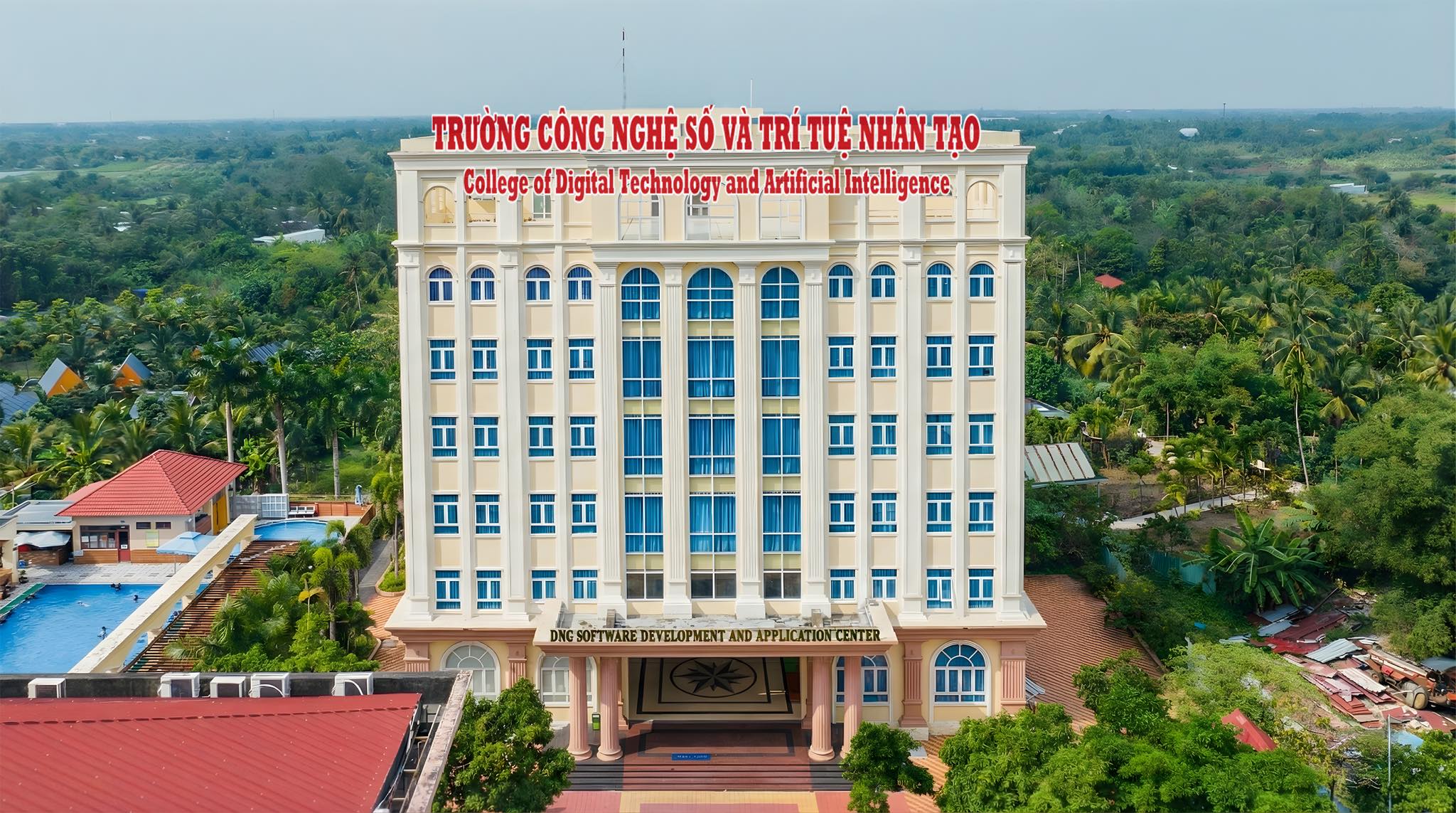
The ICEIR 2026 will be held at Nam Can Tho Univeristy:
Address: No 168, Nguyen Van Cu Ext Street,
An Binh Ward, Ninh Kieu District, Can Tho City
Ceremony Event: Building E, Hall E2
Session Room: Building E, Hall E2, Hall E1,
Online Room

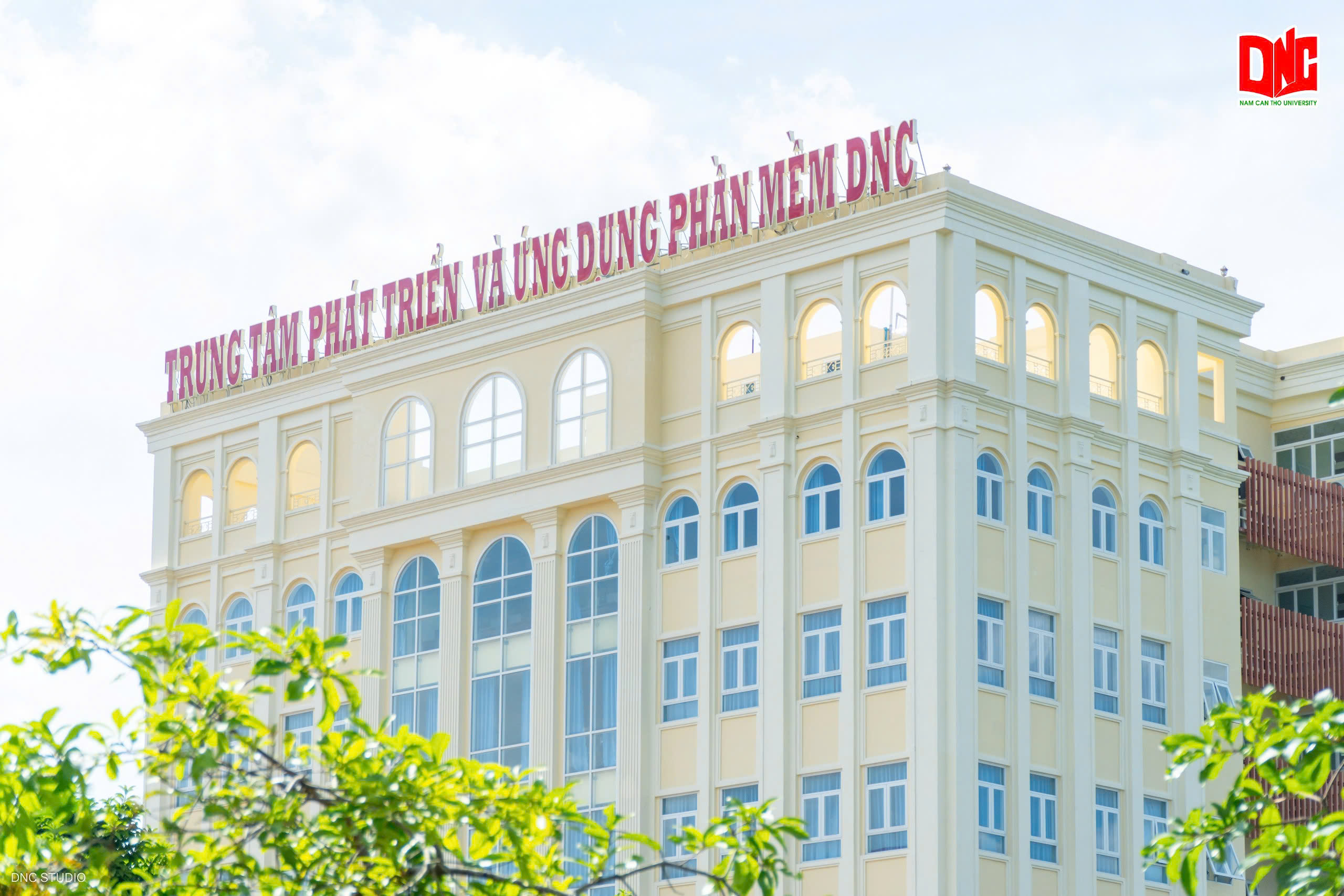
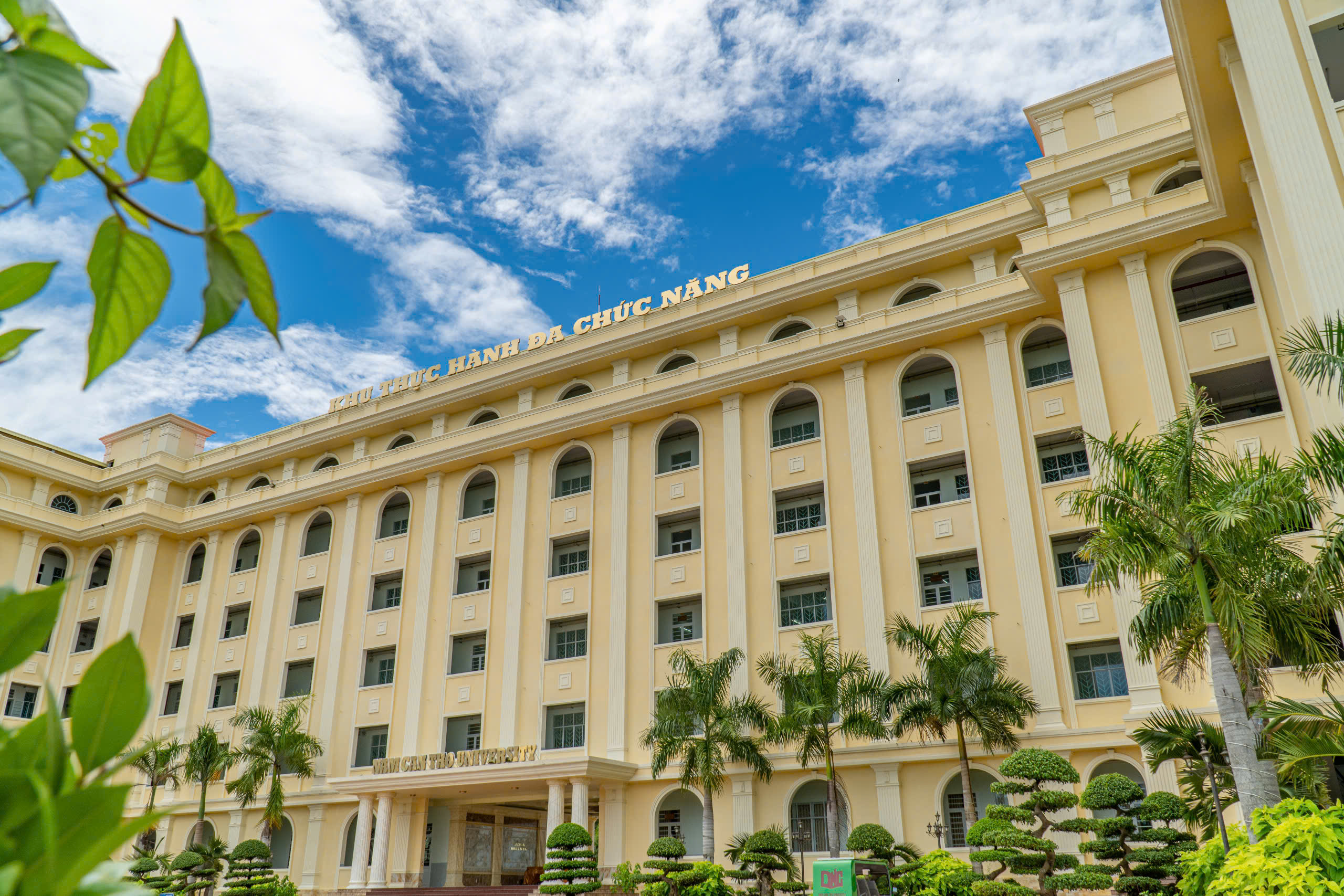
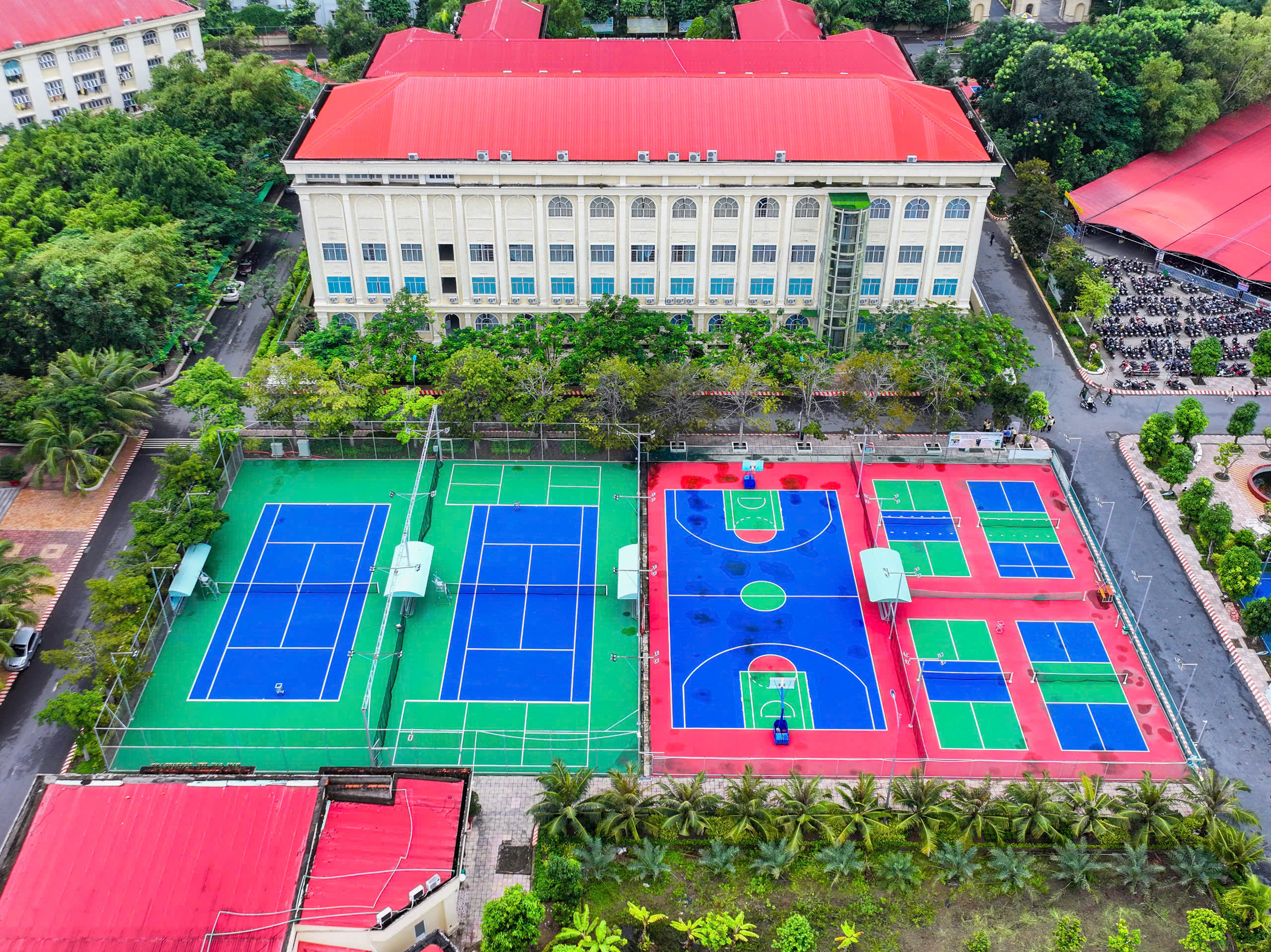
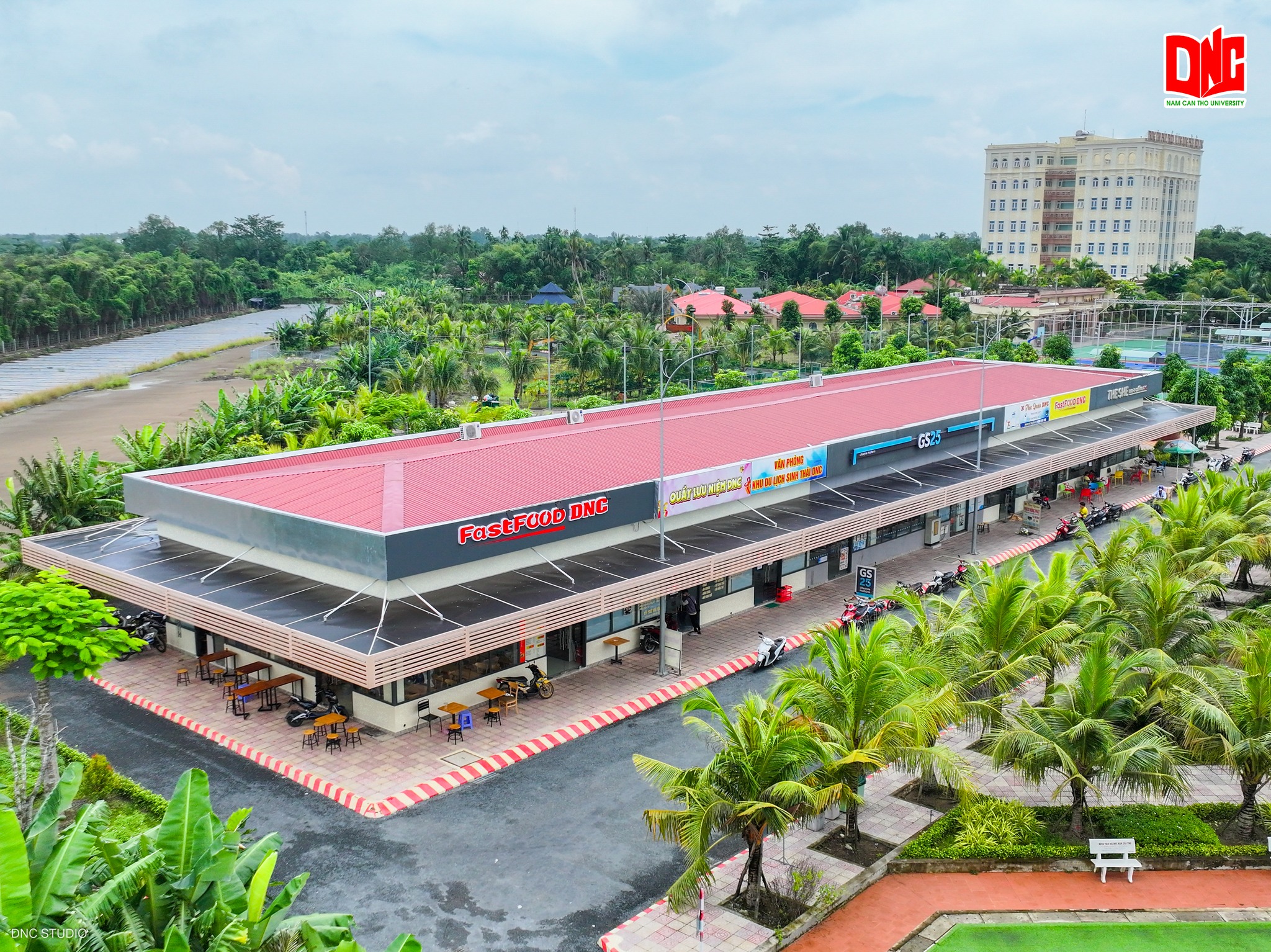
PHOTO ABOUT

NAM CAN THO UNIVERSITY

Explore the DNC

ACCOMMODATION

DNC RESSORT

The DNC Resort aims to better meet the needs for rest, relaxation, and accommodation of our esteemed leaders, as well as domestic and international experts,...

See more

TRAVELLING

DNC TRAVEL AGENCY

DNC Travel was established on November 4, 2020, with the desire to create a tourism practice environment for students in the Tourism sector, as well as to provide various service experiences for customers in Can Tho and the Mekong Delta region.

See more

CONTACT

SECRETARIAT OF ICEIR:

TRAN THI HONG HANH

tthhanh@nctu.edu.vn

TECHNICAL STAFF:

NGUYEN HOANG DUY

nhduy@nctu.edu.vn

SPONSORS

The 3rd International Conference on
Intelligent Computing and Efficient Information Retrieval (ICEIR 2026) Nam Can Tho University, Dec 12th 2026
To be announced soon